Essential Product Recommendations for Patients Undergoing Orthodontic Treatment
In this post I share about my 2 boys ortho journeys, the difference between traditional ortho brackets and clear aligners, give tips and advice to parents and make dental product recommendations. I also touch on the importance of early Myofunctional evaluation and intervention for disordered breathing, tongue tie and lip tie.
ORTHOBRACESCLEAR ALIGNERSPARENTAL TIPSINSIDER ADVICE
Emily Wall
5/13/20265 min read


Braces, Clear Aligners & The Products I Actually Recommend as a Dental Hygienist (and Mom!) 😁✨
If you’re a parent trying to decide between traditional braces and clear aligners… trust me, I get it from both sides — as a dental hygienist and as a mom of two boys with VERY different orthodontic journeys. 💙
In fact, seeing the differences between my sons’ smiles and development completely changed how I think about orthodontics, airway health, and early intervention.
(P.S. I also put together my favorite orthodontic care products, tools, and hygiene helpers in my Linktree + Amazon affiliate storefront here 👇)
👉 My Favorite Orthodontic Products & Hygiene Must-Haves
(As an Amazon affiliate, I may earn a small commission from qualifying purchases at no additional cost to you. Thank you for supporting my content and my coffee habit ☕😂)
Two Boys. Two Very Different Orthodontic Journeys 🦷
This blog post photo perfectly captures my 2 boys personalities… and honestly, their orthodontic stories too. 💕
My oldest son, James, was born full-term at 40 weeks with no complications. His smile development was pretty straightforward. He had plenty of room for his adult teeth to erupt naturally, didn’t require a palate expander, and only needs one round of orthodontic treatment. He’s currently in clear aligners for relatively mild correction — and doing great!
My younger son, Brayden, had a much different journey.
Brayden was born 5 weeks premature and was always incredibly petite. As he grew, it became obvious his mouth and jaw simply didn’t have enough room for his adult teeth to come in properly. At age 9, early orthodontic intervention became necessary to widen his palate while his body was still developing.
And honestly? I’m so thankful we did it early.
His palate expander helped:
✨ Create room for adult teeth
✨ Improve tooth eruption patterns
✨ Reduce crowding
✨ Potentially prevent future tooth extractions or surgical intervention later on
Because his case was more complex, Brayden required traditional metal brackets during this first phase of treatment. He’ll still need a second round of ortho once all his permanent teeth come in — but thanks to the early intervention, it should be FAR easier on him in the long run. 🙌
What I Wish I Knew Earlier About Airway Health & Early Intervention 🌬️
As a dental hygienist, I’ve learned so much over the years about airway development, oral habits, and myofunctional therapy — and honestly, I now realize how under-discussed this topic really is.
Looking back, I truly believe that if I had a deeper understanding of airway analysis and early myofunctional therapies when Brayden was younger, we may have been able to reduce or even avoid the need for a palatal expander altogether.
That’s a BIG reason why I’m so passionate about educating parents now. 💡
Early signs that may deserve a closer airway evaluation can include:
👄 Mouth breathing
😴 Poor sleep quality
😮 Open-mouth posture
👅 Tongue posture issues
🍼 Feeding difficulties as infants
🦷 Severe crowding developing early
Parents — please know this: early airway evaluations are NOT just about straight teeth. They can impact breathing, sleep, facial development, oral function, and overall health.
And if you have a newborn or infant, I strongly encourage discussing:
✔️ Tongue tie evaluation
✔️ Lip tie evaluation
✔️ Airway development
with your pediatric dentist or pediatrician early on. Infant intervention is often much easier while the oral cavity and facial structures are still rapidly developing.
Braces vs. Clear Aligners: What’s the Difference? 🤔
Traditional braces and clear aligners both have their pros and cons.
Traditional Braces 🛠️
Traditional brackets are often best for:
✔️ More complex orthodontic cases
✔️ Significant crowding
✔️ Bite corrections
✔️ Cases requiring precise tooth movement
They’re incredibly effective — but they also create LOTS of little plaque traps. 😅
Clear Aligners ✨
Clear aligners are popular because they:
✔️ Are more discreet
✔️ Can be removed for eating
✔️ Often feel more comfortable
✔️ Make brushing/flossing easier
But here’s what many people don’t realize…
Even clear aligners increase cavity risk if oral hygiene slips. Trapped saliva, snacking while wearing trays, poor cleaning habits, and dry mouth can still lead to:
⚠️ Cavities
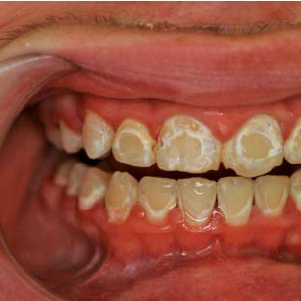
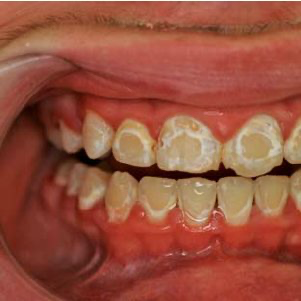
⚠️ White spot lesions
⚠️ Gum inflammation
⚠️ Bad breath
No matter which orthodontic route your child takes, hygiene becomes EXTRA important.
My BIGGEST Advice to Parents During Orthodontic Treatment 🚨
PLEASE Consider Increasing Dental Cleaning Visits While Your Child Is in Orthodontics 🙏
This is one of the biggest pieces of advice I wish more parents heard early on.
Most children and adults are typically encouraged to visit the dentist every 6 months for routine hygiene appointments. However, certain situations — including orthodontic treatment — may lead your dentist or dental hygienist to recommend more frequent visits based on your child’s individual needs.
While your child is in braces or clear aligners, your hygienist may recommend hygiene appointments every 3–4 months instead. This is a conversation I frequently have with parents because orthodontic appliances can make it much harder to keep the teeth and gums thoroughly clean. 👏
More frequent hygiene visits can help:
✨ Reduce plaque buildup
✨ Lower the risk of cavities and white spot demineralization
✨ Monitor areas being missed during brushing and flossing
✨ Support healthier gums throughout treatment
Every child is different, so be sure to ask your dental team what interval they recommend for your child’s smile during orthodontic treatment. 😊
Why?
Because braces AND aligners dramatically increase the risk of:
🦠 Plaque buildup
🦷 Cavities
⚪ White spot demineralization
🩸 Gum inflammation
And unfortunately, white spot lesions can permanently affect the appearance of the smile even after braces come off.
Extra hygiene visits allow your dentist and hygienist to:
✔️ Monitor areas being missed
✔️ Reinforce hygiene habits
✔️ Professionally debride difficult areas
✔️ Catch issues early before they become cavities
Some insurance companies may partially cover additional hygiene visits during orthodontic treatment — but MANY will not. It may require a phone call to ask specifically.
Even if it ends up being out-of-pocket, I genuinely believe it is worth the investment to help protect your child’s smile during treatment.
Insider Hygiene Tip Most Parents Don’t Know 👀
Here’s something many parents are NEVER told:
It is highly recommended to coordinate dental cleaning appointments with the orthodontist so the wires are removed BEFORE the cleaning appointment.
Then:
➡️ The hygienist cleans thoroughly around the brackets
➡️ Teeth are easier to scale and debride properly
➡️ The orthodontist places the wires back on afterward
Trust me… your hygienist will LOVE you for this 😂 and your child’s teeth will benefit too.
My Favorite Orthodontic Care Products 🦷✨
These are products I genuinely recommend as a dental hygienist and use with my own family during orthodontic treatment to help make braces and aligners easier, cleaner, and more comfortable. 💙
✔️ Oral-B iO electric toothbrush
✔️ Oral-B iO orthodontic brush head attachment to better clean around brackets and wires
✔️ Pre-strung orthodontic flossers
✔️ Orthodontic floss threaders to help floss underneath wires
✔️ Interdental brushes for cleaning between brackets and tight spaces
✔️ My FAV Clear aligner & retainer ultrasonic cleaning pod machine
✔️ Clear aligner cleaning tablets
✔️ Orthodontic wax for irritation and comfort
✔️ Aligner removal tools (“outie” tools)
✔️ WaterPik water flosser to help power-wash away plaque and food debris
✔️ Portable/travel water flosser option for school, sports, and travel
✔️ Xylitol mints that can help seat aligners, freshen breath, stimulate saliva, and ease mild discomfort
✨ Bonus Tip: No orthodontic product replaces good brushing, flossing, and regular hygiene visits — but the right tools can make the process MUCH easier for both kids and parents!
👉 Shop My Recommended Orthodontic Products Here
These are products I genuinely recommend as a hygienist and products I use with my own family. 💙
Final Thoughts 💭
Orthodontics is SO much more than just straight teeth.
It’s airway development.
It’s oral health.
It’s confidence.
It’s prevention.
It’s long-term function.
And every child’s journey looks different — even siblings raised in the same home. 😊
If you’re a parent currently navigating orthodontics with your child, I hope this post helps you feel more informed, empowered, and supported along the way.
And if you’re currently in the thick of braces, aligners, lost retainers, ortho wax emergencies, and endless floss battles…
Solidarity, my friend. 😂🦷💕
⚠️ This photo is an example of white spot demineralization that can occur during orthodontic treatment when plaque is not adequately removed.” Methods Used for Prevention of White Spot Lesion Development During Orthodontic Treatment with Fixed Appliances. ResearchGate. Accessed May 12, 2026.
Research Article Figure Reference